Important Note: Solar Choice has no affiliation with any solar panel manufacturer. Our reviews and rankings are based on publicly available technical specifications, installer feedback, and Solar Choice’s internal scoring criteria.
Choosing solar panels can be confusing. There are hundreds of models available in Australia and many manufacturers claim to offer the “best” panel. In practice, the best solar panels balance efficiency, reliability, warranty strength and manufacturer credibility.
The list below ranks what Solar Choice considers to be the 10 best solar panels currently available in Australia, based on our consistent evaluation criteria.
Rather than reviewing every panel model on the market, we assess the flagship residential panel from each manufacturer and compare them using the same methodology.
A Review of the Best Solar Panels in Australia for 2026
Below are the top solar panels currently available in Australia based on Solar Choice’s evaluation criteria.
| Panel | Manufacturer | Recommended Model | Efficiency | Product Warranty | Tier 1 | Why It Made the List |
|---|---|---|---|---|---|---|
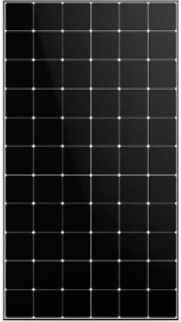 |
SunPower | Maxeon 6 | 22.8% | 40 years | Yes | Industry-leading warranty and premium back-contact cell technology delivering excellent long-term performance. |
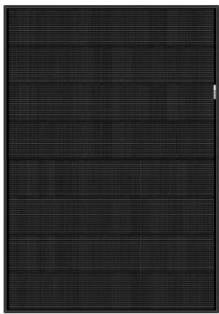 |
REC | Alpha Pure-RX | 22.6% | 25 years | Yes | Very strong efficiency and low degradation with excellent installer reputation in Australia. |
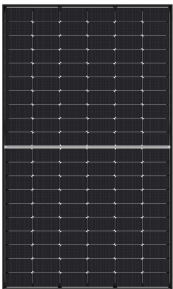 |
Jinko Solar | Tiger Neo | 23% | 25 years | Yes | N-type TOPCon panel with excellent efficiency from one of the world’s largest manufacturers. |
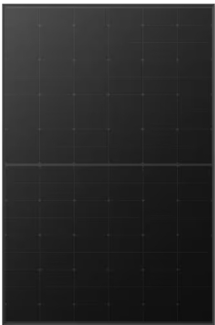 |
LONGi | Hi-MO X6 | 23% | 25 years | Yes | Advanced cell architecture delivering high efficiency and strong reliability. |
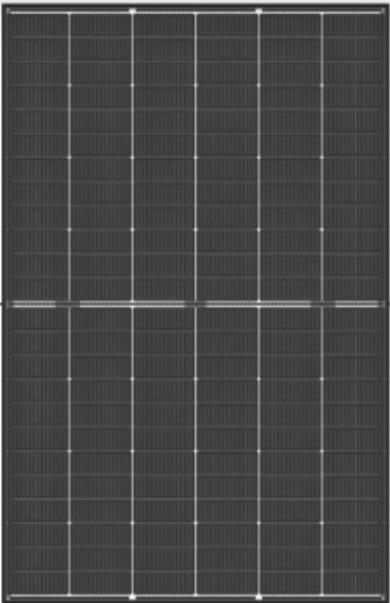 |
Trina Solar | Vertex S+ | 22.5% | 25 years | Yes | Well-established global brand offering strong performance and value. |
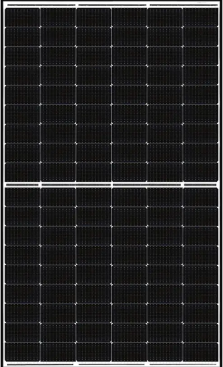 |
Canadian Solar | TOPHiKu6 | 22.5% | 25 years | Yes | Latest generation N-type panels widely used across Australian residential systems. |
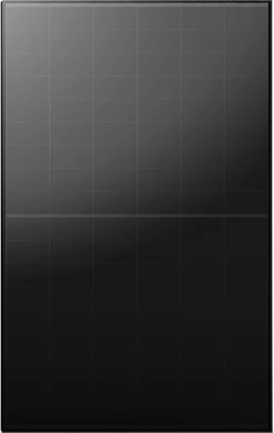 |
AIKO | Neostar Series | 23.5% | 25 years | Yes | Very high efficiency using advanced all back-contact cell technology. |
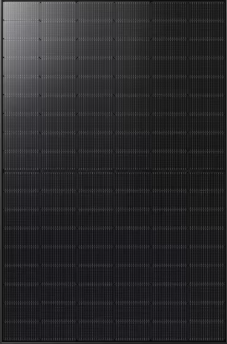 |
Winaico | NGX Series | 23% | 30 years | Yes | Excellent build quality and long product warranty with strong reliability reputation. |
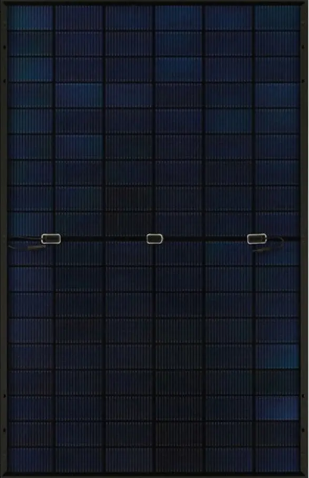 |
JA Solar | DeepBlue 4 | 22.8% | 25 years | Yes | Large Tier-1 manufacturer offering competitive performance and value. |
 |
Risen Energy | Titan Series | 22.5% | 25 years | Yes | Reliable Tier-1 manufacturer delivering strong value and modern panel technology. |
Compare quotes from up to 7 installers in your area now.
The sections below explain why each manufacturer appears in the ranking.
1. SunPower – Maxeon 6
SunPower panels are widely considered the premium benchmark for residential solar.
The Maxeon series uses a unique interdigitated back-contact (IBC) cell design, which removes electrical contacts from the front of the panel. This allows more sunlight to reach the active surface of the cell and improves long-term durability.
SunPower panels also offer the longest warranty in the industry, with a 40-year product and performance warranty.
While they are typically more expensive than most alternatives, they deliver exceptional efficiency and reliability.
2. REC – Alpha Pure-RX
REC has developed a strong reputation among installers for producing reliable high-performance panels.
The Alpha Pure-RX series uses heterojunction technology (HJT) combined with lead-free construction. These panels achieve efficiencies above 22% and feature excellent temperature performance.
3. Jinko Solar – Tiger Neo
Jinko Solar is one of the largest solar panel manufacturers in the world.
The Tiger Neo series uses N-type TOPCon cell technology, which improves efficiency and reduces degradation compared with older PERC designs.
4. LONGi – Hi-MO X6
LONGi is another major global manufacturer and a leader in high-efficiency solar cells.
The Hi-MO X6 series uses advanced back-contact technology to improve performance and achieve efficiencies approaching 23%.
LONGi panels are commonly installed across Australia and are widely regarded as reliable and cost-effective.
5. Trina Solar – Vertex S+
Trina Solar has been manufacturing solar panels for more than 25 years and is consistently ranked as a Tier-1 manufacturer.
The Vertex S+ series uses N-type TOPCon technology and is designed specifically for residential systems.
These panels combine strong efficiency with a competitive price point, making them a popular choice among installers.
6. Canadian Solar – TOPHiKu6
Canadian Solar is one of the most established solar brands globally and has maintained a strong presence in Australia.
The TOPHiKu6 series represents the company’s latest generation of N-type TOPCon panels, offering improved efficiency and lower degradation.
Canadian Solar panels are commonly installed across residential and commercial systems and are widely considered a reliable mid-to-premium option.
7. AIKO – Neostar Series
AIKO is a relatively new entrant to the Australian residential market but has quickly gained attention for producing extremely high-efficiency panels.
The Neostar series uses ABC (All Back Contact) cell technology, allowing efficiencies exceeding 23%.
This design maximises the active surface area of the cell and reduces electrical losses, making AIKO one of the highest-efficiency panel manufacturers currently available.
8. Winaico – NGX Series
Winaico panels are known for their strong build quality and durability.
The NGX series uses N-type technology and glass-glass construction, providing improved resistance to environmental stresses such as moisture and temperature cycling.
Winaico also offers a 30-year product warranty, which is longer than most competitors.
9. JA Solar – DeepBlue 4
JA Solar is one of the largest solar manufacturers globally and has supplied panels to many large solar projects.
The DeepBlue 4 series uses N-type TOPCon technology and offers strong efficiency along with a 25-year product warranty.
JA Solar panels are widely used in residential installations and offer a good balance of performance and value.
10. Risen Energy – Hyper-ion / TITAN Series
Risen Energy completes the top-10 list as a major Tier-1 manufacturer with a long history in the solar industry.
The company’s latest panels use N-type cell technology and offer competitive efficiency and performance specifications.
Risen panels are typically positioned in the value-oriented segment of the market, making them an attractive option for customers seeking reliable panels at a lower cost.
Solar Choice Methodology
Solar Choice has been analysing solar panel specifications for more than a decade. For this comparison we assess each panel based on four key criteria that matter most for long-term system performance.
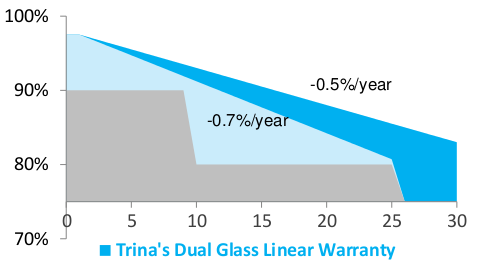
1. Solar Panel Performance and Product Warranty
2. Max Efficiency

Higher efficiency is most important when roof space is limited.
3. Bloomberg Tier 1
4. Degradation Rate
Lower degradation means:
Limitations of our Best Solar Panel Review
Cost
Specific solar panel technologies
Warranty specifics
• Product warranty – covers manufacturing defects
• Performance warranty – guarantees minimum power output over time
Good quality solar panels offer:
• 25–40 year product warranties
• Performance guarantees of 87–92% output after 25–40 years
Temperature coefficient
Country of manufacture
Frequently Asked Questions (FAQ)
What criteria are used to determine the best solar panels in Australia?
What are the best solar panels in Australia for 2026?
What is the newest solar panel technology in Australia in 2026?
Which solar panels are the most efficient in Australia in 2026?
What wattage solar panels should I choose for my home in 2026?
Are solar panels getting better in Australia in 2026?
Since 2008 our knowledge and sophisticated software has allowed over 500,000 Australian households and businesses to make a well-informed choice on their solar & battery installer.

- The Top 5 Problems With Cheap Air Conditioning Quotes - 12 January, 2026
- Running Cost of Air Conditioners – Explained - 7 October, 2025
- Air Conditioner Rebate South Australia: What You Need to Know - 19 September, 2025



